Gunkanjima (軍艦島): Battleship Island

On Sunday of the first weekend in February, after spending a lovely Saturday in Nagasaki city proper, enjoying the annual Lantern Festival, we trekked to the Nagasaki harbor to catch the boat to Gunkanjima, meaning Battleship Island, also referred to as Hashima, when mining operations still occurred there. You can read from various sources that this deserted island served as the inspiration for the abandoned island scenes that appeared in the more recent James Bond film Casino Royale. Others even say this is where one particular scene was filmed. Though I’m not entirely sure how true it is, if true it is interesting trivia to know!

The tour takes the better part of two hours, and consists of the ride out to the island, a brief landing and tour of the most stable areas on the island, circling of the island (on both sides so that all of those seated on the boat can get photographs), and the return trip.

Afterward we spent some time in the YouMe Town that can be found straight off the harbor, housing many cool and interesting shops and, for those who may miss it, a Starbucks. If you sit outside this particular Starbucks you can get quite a good view of the harbor as well as a three-way intersection nestled in the cleft of the bayside. I enjoyed myself considerably this trip, especially with all the cool breezes we encountered on the boat ride and sitting outside. They’re definitely nice memories to have, and I’m looking forward to making more! Here’s a brief photo wrap-up of the trip.

This slideshow requires JavaScript.

Kumamoto Roasso game

DSC_0133
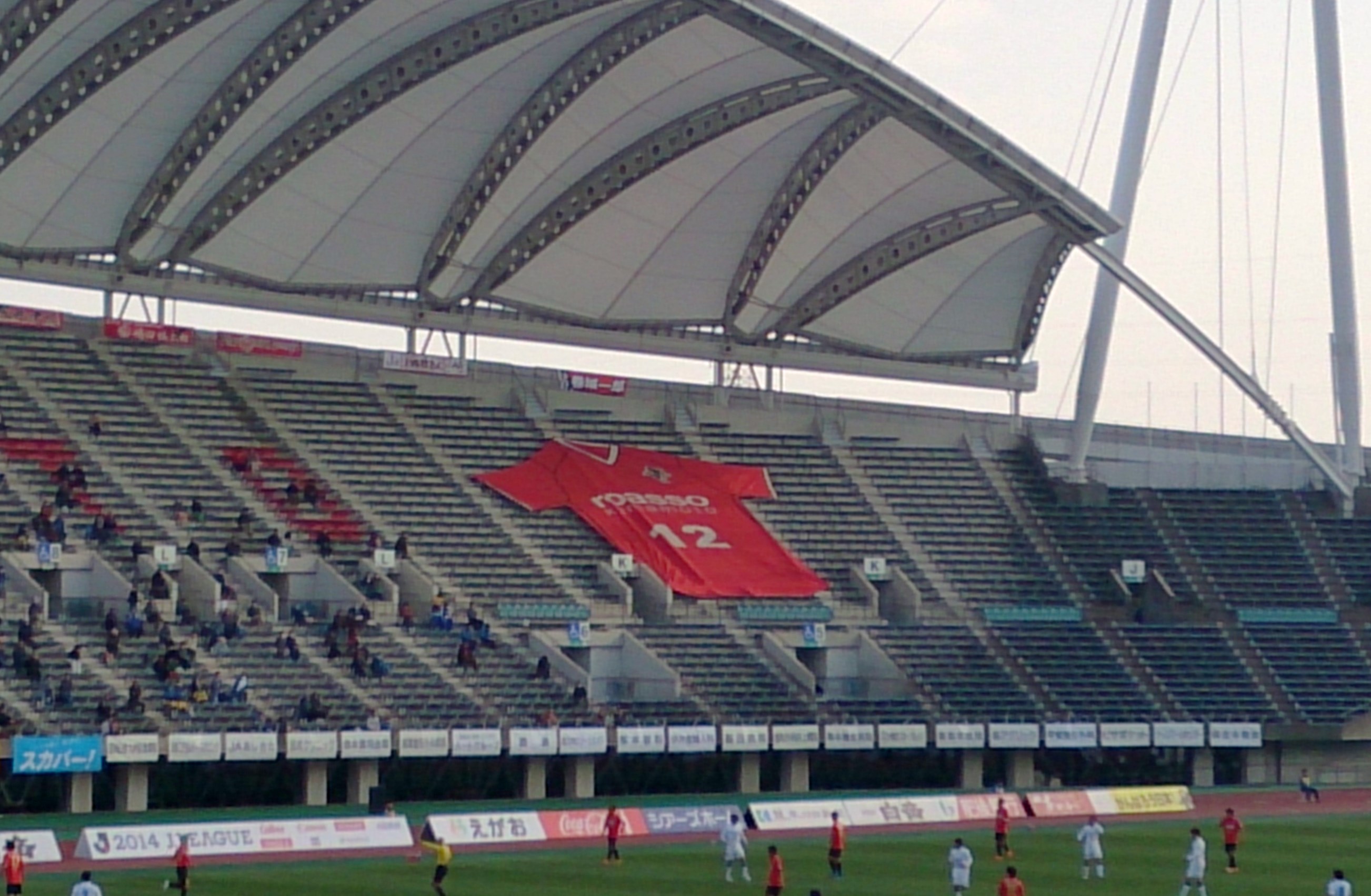
うまかな・よかなスタジアム

So back in March a few of us went to the first home game of Kumamoto’s Roasso soccer team. I like soccer A LOT, so even though it was Division 2 it was entertaining for me. But at some times, it frankly looked like the same playing level as the men’s group I go play with on Tuesday evenings. To their credit though, they’re quite good.

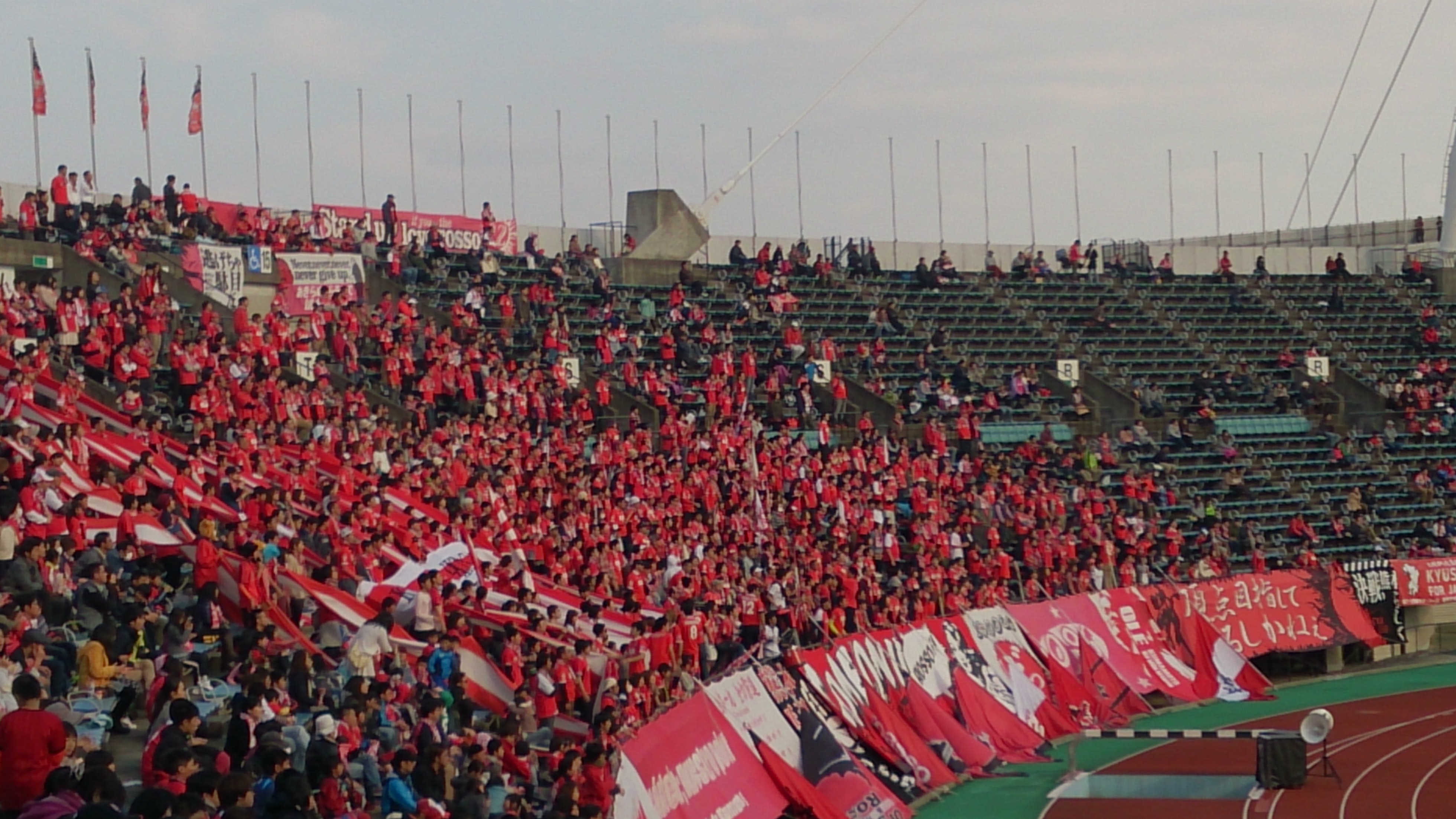
The Ultra Red Section (Not the real name, but I don't know it. For die-hard fans only)
The Ultra Red Section (Not the real name, but I don’t know it. For die-hard fans only.)

Anyhow, some important things to know for those of you who want to go to a soccer game while in Kumamoto. First of all, verify the location of the game you plan on going to. They have two stadiums; usually it’s at the Umakana Yokana Stadium as pictured above, but sometimes it’s at the other one. But this is easily found on their website (if you’ve a working knowledge of Japanese). Also, you can usually buy tickets once you get there. I would say usually the stadium doesn’t fill up entirely. BUT! the parking lot does. So don’t get there too late or you’ll have to walk at least half a mile from your obscure parking location all the way to the stadium (like we did). So basically, give yourself time to get there without going completely cray.

Hey that's a fresh t-shirt, and those are some empty stands...
Hey, that’s a fresh t-shirt, and those are some empty stands…
Ambivalent Mascot
Ambivalent Mascot

All in all it was quite a bit of fun. They played against the Oita Trinita. (Who decides these names?) We were leading until the last 10 minutes of the game I’d say, and then it ended in a tie (1-1), which is definitely more frustrating to the players than it is to the audience. It’s quite a nice facility though, I was pleasantly surprised. And contrary to expectation, the crowd ended up getting pretty pumped on several occasions. There are quite a few onlookers dedicated to flag-waving and drum-beating and whatnot.

I want to go again but it is quite far, especially for a day journey from Amakusa. That being said, it’s quite possible, and totally worth it to get out of dodge every once in a while.

DSC_0146
こんな時こそ Yell Pre-North! Wait…erm…what?

Local Festival: ハイヤ祭り (Haiya Matsuri)

I had just missed what is supposedly the larger Haiya festival the week or so before I arrived (in late July), but I was able to make it to Hondo’s local Haiya festival. Though a bit late, because I was being fitted rather painstakingly into a yukata and travelling in a group, we got to watch quite a bit of the show.

This particular local matsuri I think of as a glorified parade on the main street of Hondo rather than a matsuri proper, but it was still a cool experience. Local businesses sponsored floats and the shamisen and drums were going the whole time. Many schools supported groups of students and teachers who went in for dancing as well. I’m not an expert on haiya dance at all, but what I saw of it looked interesting. It was quite hot though, and even whilst wearing a supposedly breezy yukata, I was perspiring.

My most fond memory of this particular event was that I was immediately able to access street food and honed in on my favorite yakiniku and, later, my lemon snowcone. I love yakiniku, especially from street stalls!! It’s probably not the healthiest, but very delicious~~~~. I always eat this whenever possible… :)

The larger Amakusa Haiya festival is held every year in Ushibuka around late July or early August. I definitely plan to go this year and really get in on the local action. I’m looking forward to it! In the meantime, please enjoy a few of the photos I was able to take that night at Hondo Haiya Matsuri.

Local Shrine: 諏訪神社 (Suwajinja)

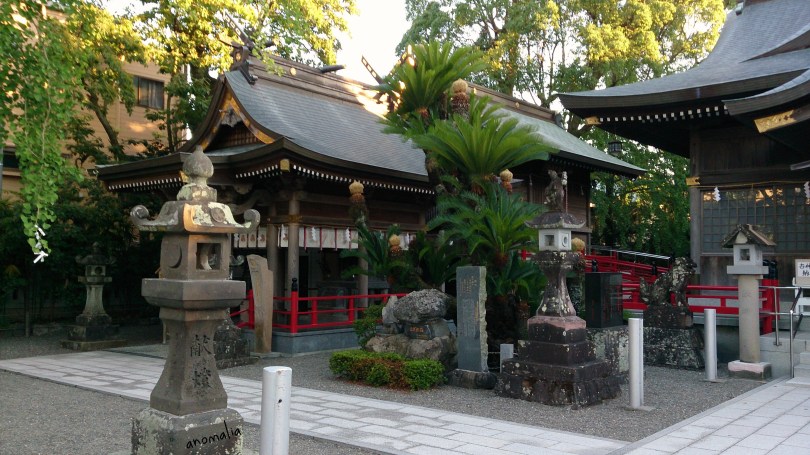
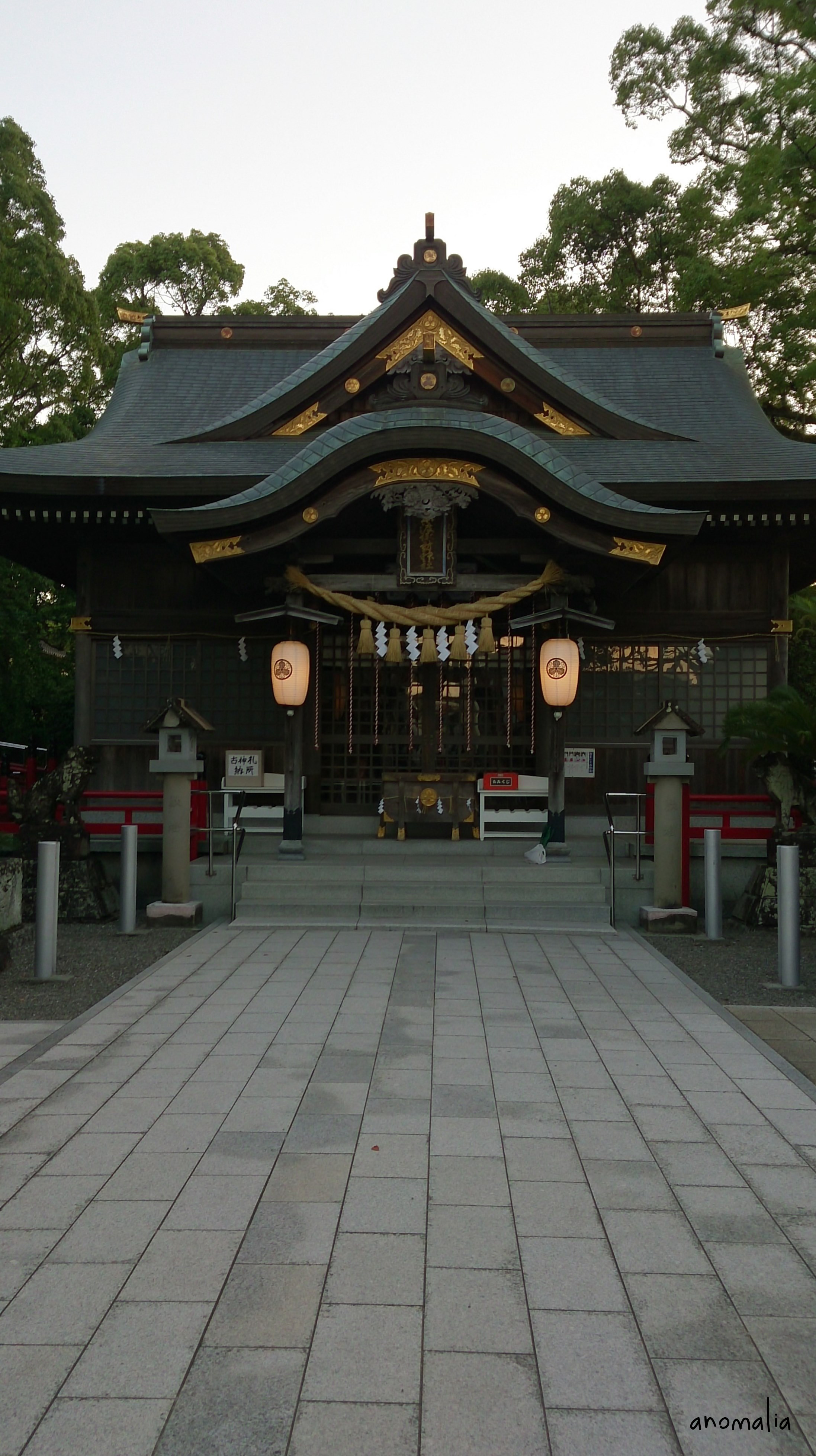
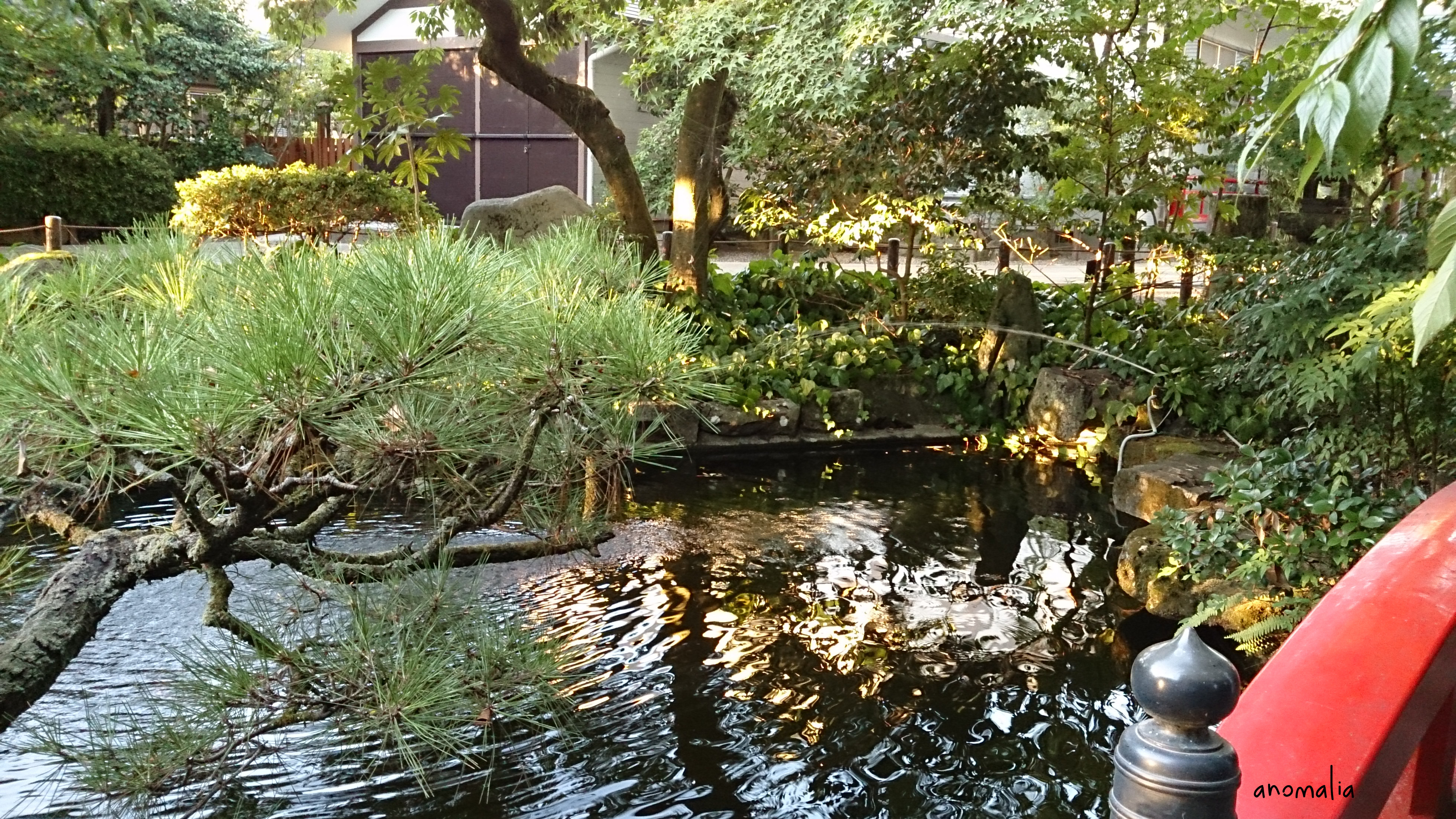
DSC_0024One of the things that I was able to experience within the first week of arriving in my actual placement city was a local shrine. This particular shrine, Suwajinjya (it seems many Japanese cities have one of these shrines), is a beautiful reprieve hidden away between tightly crowded buildings and their shops. This is a particularly interesting shrine due to the shrine’s proximity to the once bustling city shopping arcade which is now comparable to a ghost town, especially at night. This shouldn’t come as a surprise, having been placed in one of Japan’s most rapidly depopulating areas, but nonetheless it always makes me think. DSC_0020Shops still open in the arcade during the day with a steady trickle of customers, but the sight always inspires me to think on what it was before in its heyday. In spite of the fact that the shopping arcade fell into disrepair and disuse, the shrine is well-known and continues to thrive. Anyway, having always been a fan of the calm and serene appearance of shrines, I was very excited to see this one in the main city in such an interesting location. Though a small shrine, it has quite a bit of character and is very well tended at all times.  More local shrine highlights to come! :)

DSC_0017

A Wooden Stick: Your Japanese Identity

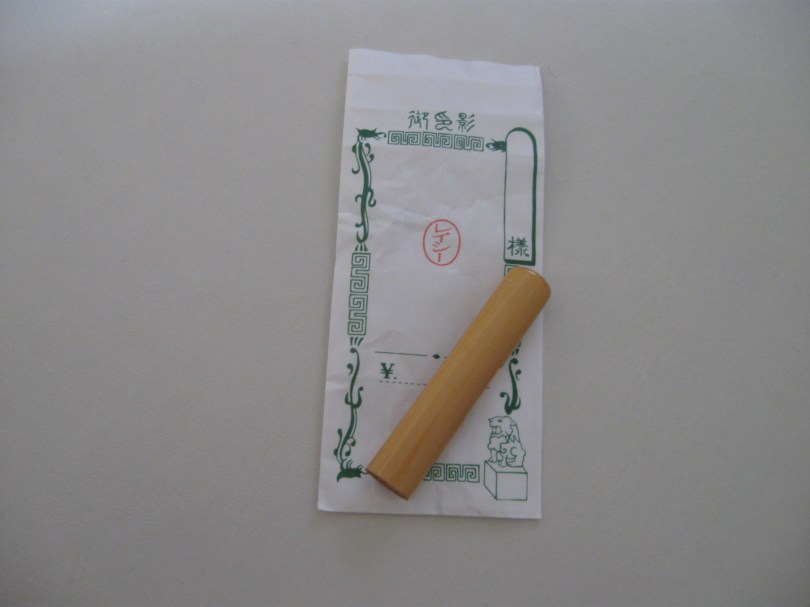
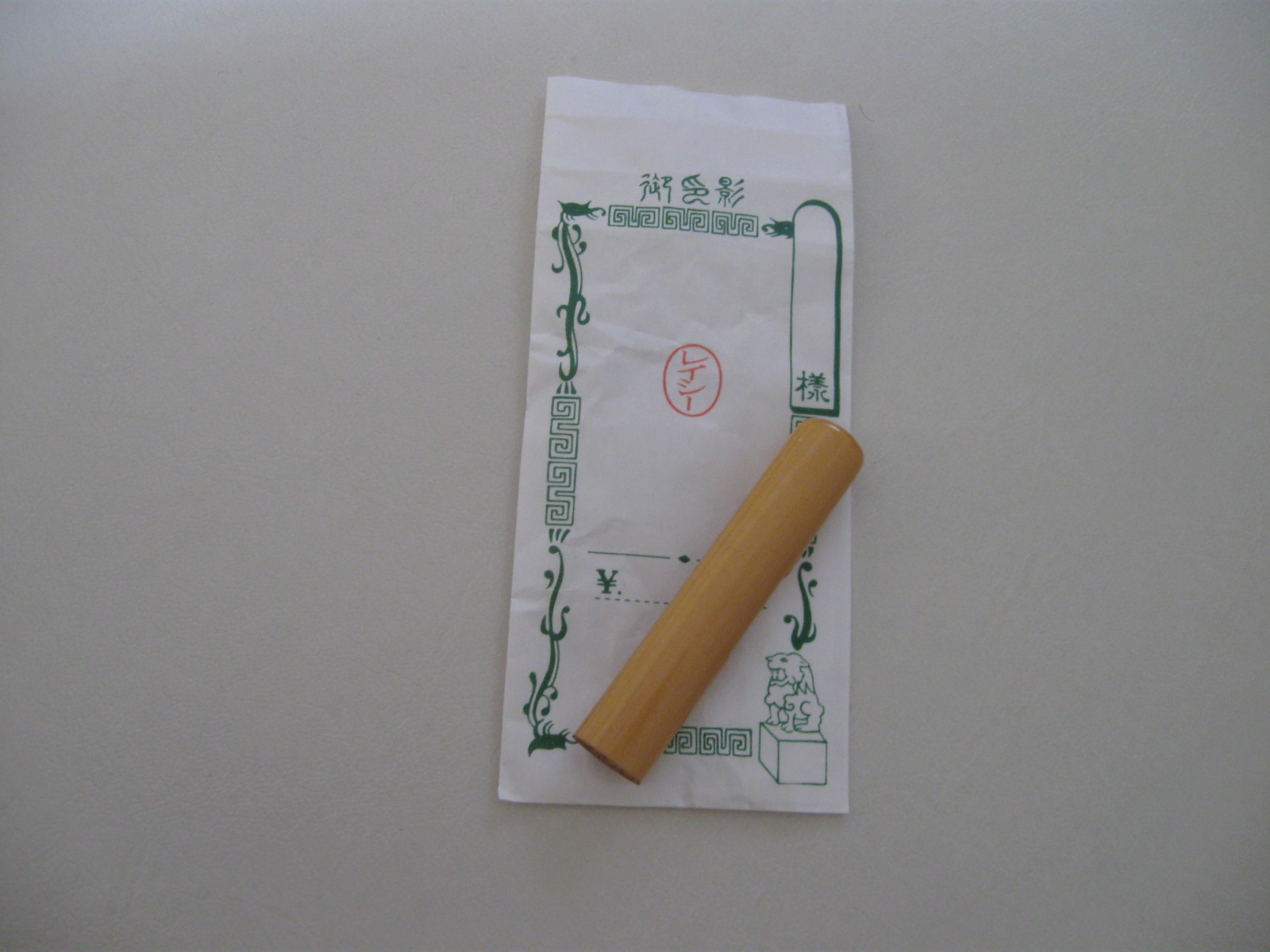
So yes, I’m being a little facetious here. It’s so much more than a stick. It’s a stamp! (Basically.) But it looks really cool!

IMG_1727

Right?! And they only cost roughly $20 US.

IMG_1725判子・印鑑 (hanko/inkan) are made for people as a way to certify your identity and approval for many things, not limited to the creation of a bank account, starting up gas and electric for your house, signing up for mobile phone service, and any number of financial obligations it seems. You would probably need it for a house or an apartment(?), but in the case of municipal JETs it seems that certain residences are furnished by the establishment for those who work in the area temporarily. I think this has a lot to do with the fact that there seems to be what I’ll call the yearly lottery in April, at which time teachers are moved about the prefecture to other schools en masse.

I also personally have to stamp an attendance sheet every day in the teachers’ room when I report to work, so it’s possibly common to use the inkan in regard to employment, especially as civil servants (which is stressed to us that we are!).

As to their real official weight, I can’t really comment. Apparently people can take your inkan and stamp for you, which seems to somewhat defeat the purpose or the ceremony of it all. On the other hand, you could easily argue the same thing about the validity and ceremony of signatures in terms of legal and financial obligation. All in all they do the same thing: look cool. :)

I hope to discover even more uses for the lovely inkan, but you may have to wait for something a bit more detailed (the backlog of posts is lengthy!).