Inekari (いねかり): the Rice Harvest

DSC_0150One of the benefits of receiving an inaka placement on the JET program is you might be able to experience traditional Japanese events that you may not be able to in urban placements. I’ve experienced this for myself on multiple occasions at the smaller elementary school I visit roughly once per week.

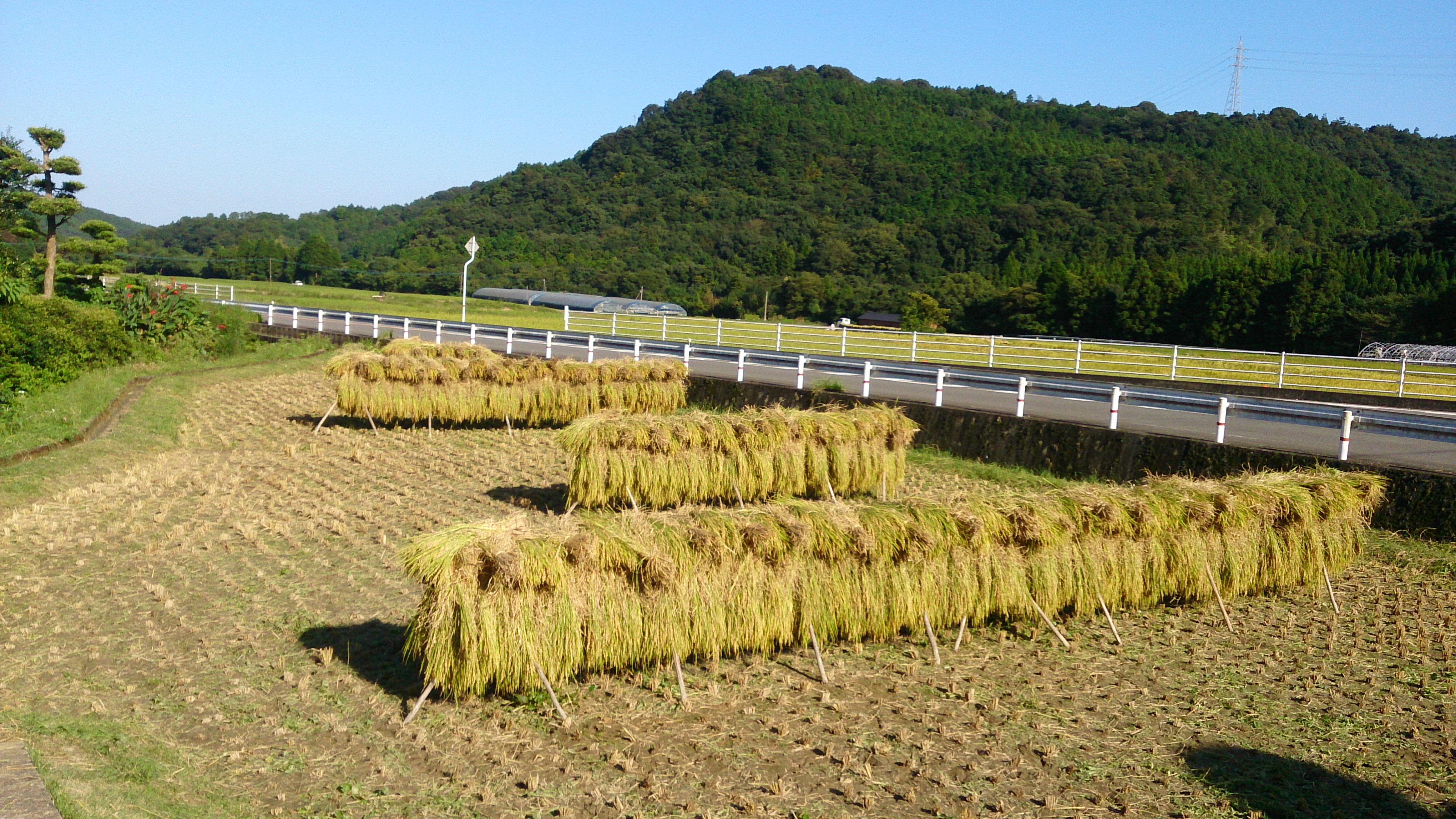
This particular school, though small, has been kind enough to invite me most often to annual or special school events, one of which is the yearly rice harvest, or inekari (稲刈り). The rice harvest usually occurs in late September to early October. This is an event where we all set out into the small field located close to our school, wearing long sleeves and pants despite the hot weather. This precaution is necessary to protect from the itch of the bugs and or grasses that could possibly effect our experience. A sunhat or large-brimmed hat of some kind is also required, to protect harvesters from resilient late summer, early fall rays. Luckily, both last year and this one, a teacher has been kind enough to lend me their sickle, although most-all students have their own and bring that along. Long rubber boots are also preferred wear, as it can be pretty muddy in the fields.

DSC_0147
The drying stand and cropped roots.

The task is quite enjoyable really, one of those chores that can actually be quite relaxing if you let it. Several people actually harvest the lengthy rice crops with their sickle and lay them in a huge pile. Then others gather the lengthy strands into bunches, tying them together with fresh long straw. After these steps are complete, a couple of people (for us, the field owners, who are pros by this point) set up drying stands that look somewhat like teepee framework, and we all hang the rice on these.

My first year I wasn’t prepared for the occasion, but still insisted on participating in my street clothes. It was fun, though a little itchy. But this year I was prepared! Delayed two weeks in a row because of rain, I had ample time to prepare most of my wear. The first year I mostly stuck to bunching, but this year I harvested and bunched equally quite a bit. While carrying out these duties, I also noticed several little frogs (and spiders) had made the rice field their home in the interim. Our harvesting activities definitely awoke a mass exodus in the frogs, which was quite cute though probably alarming for the creatures due to the fact that a few young boys became very interested in their escape…

All in all inekari is a positive experience! If you get the chance, I’d highly encourage taking part in it at your school(s). Even if someone invites you out to their own home fields it would be a valuable experience.
2014-10-07 15.25.19

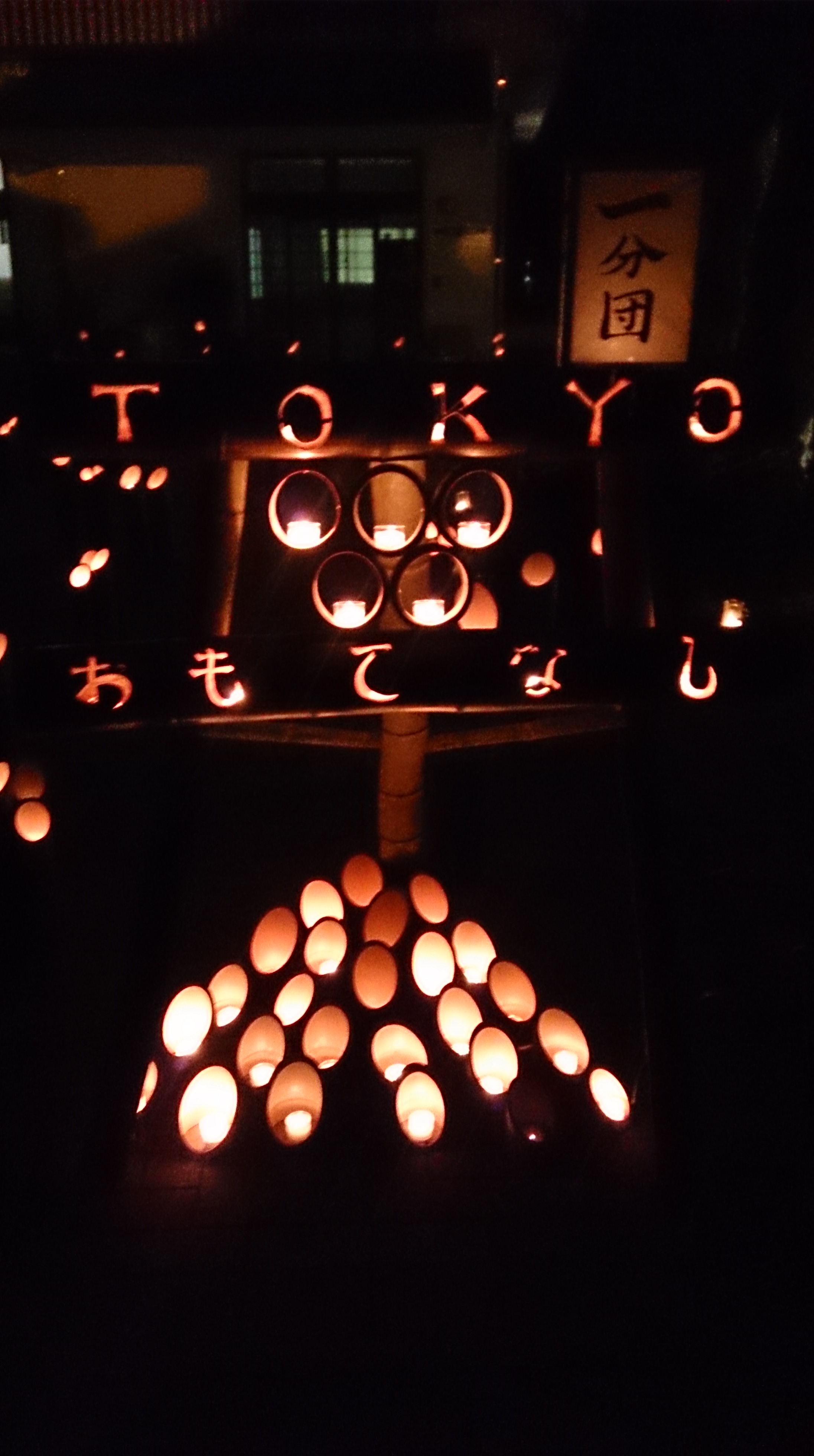
The Itsuwa Lantern Festival

2014-10-25 19.07.30

Over the course of the two years I’ve been here, I’ve set out proudly with others to see the local Lantern Festival in Itsuwa both years. Usually held in late October of each year, this small festival is worth going to because you can see an aspect of Japanese culture that is not as largely publicized as other aspects we often are told about.

2013-10-27 18.24.29


2013-10-27 18.16.382013-10-27 19.08.52One of my favorite parts my first year was hearing a bit of koto music being played by three ladies a little apart from the main festival itself. This year, an elder man was reading Japanese stories, but it didn’t live up to the koto for me. And for those who are interested, the festival has a stand selling a nicer variety of lanterns to festival-goers. There are also quite a few street food and goods stalls stretched along the main drag of cozy Itsuwa, serving as a guide to the event space. Some of the festival’s better photo opportunities come from the shrine at the top of the hill toward the west, and the lit-up zen garden in a cozy alcove at the center of the main street. I took a lot of pictures; some of which are definitely better than others due to lighting, but all in all this is a good local event that offers a taste of Amakusan pride. :)

2014-10-25 19.07.52


Gunkanjima (軍艦島): Battleship Island

On Sunday of the first weekend in February, after spending a lovely Saturday in Nagasaki city proper, enjoying the annual Lantern Festival, we trekked to the Nagasaki harbor to catch the boat to Gunkanjima, meaning Battleship Island, also referred to as Hashima, when mining operations still occurred there. You can read from various sources that this deserted island served as the inspiration for the abandoned island scenes that appeared in the more recent James Bond film Casino Royale. Others even say this is where one particular scene was filmed. Though I’m not entirely sure how true it is, if true it is interesting trivia to know!

The tour takes the better part of two hours, and consists of the ride out to the island, a brief landing and tour of the most stable areas on the island, circling of the island (on both sides so that all of those seated on the boat can get photographs), and the return trip.

Afterward we spent some time in the YouMe Town that can be found straight off the harbor, housing many cool and interesting shops and, for those who may miss it, a Starbucks. If you sit outside this particular Starbucks you can get quite a good view of the harbor as well as a three-way intersection nestled in the cleft of the bayside. I enjoyed myself considerably this trip, especially with all the cool breezes we encountered on the boat ride and sitting outside. They’re definitely nice memories to have, and I’m looking forward to making more! Here’s a brief photo wrap-up of the trip.

This slideshow requires JavaScript.

A Wooden Stick: Your Japanese Identity

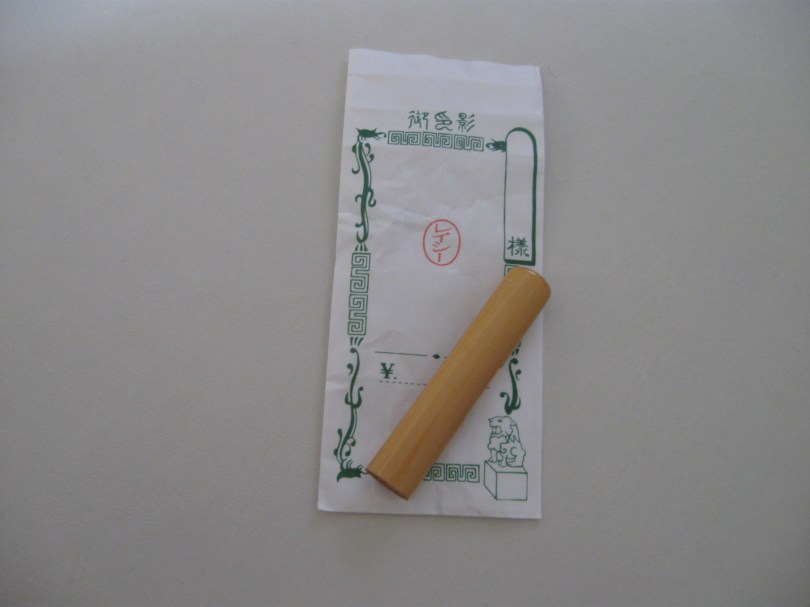
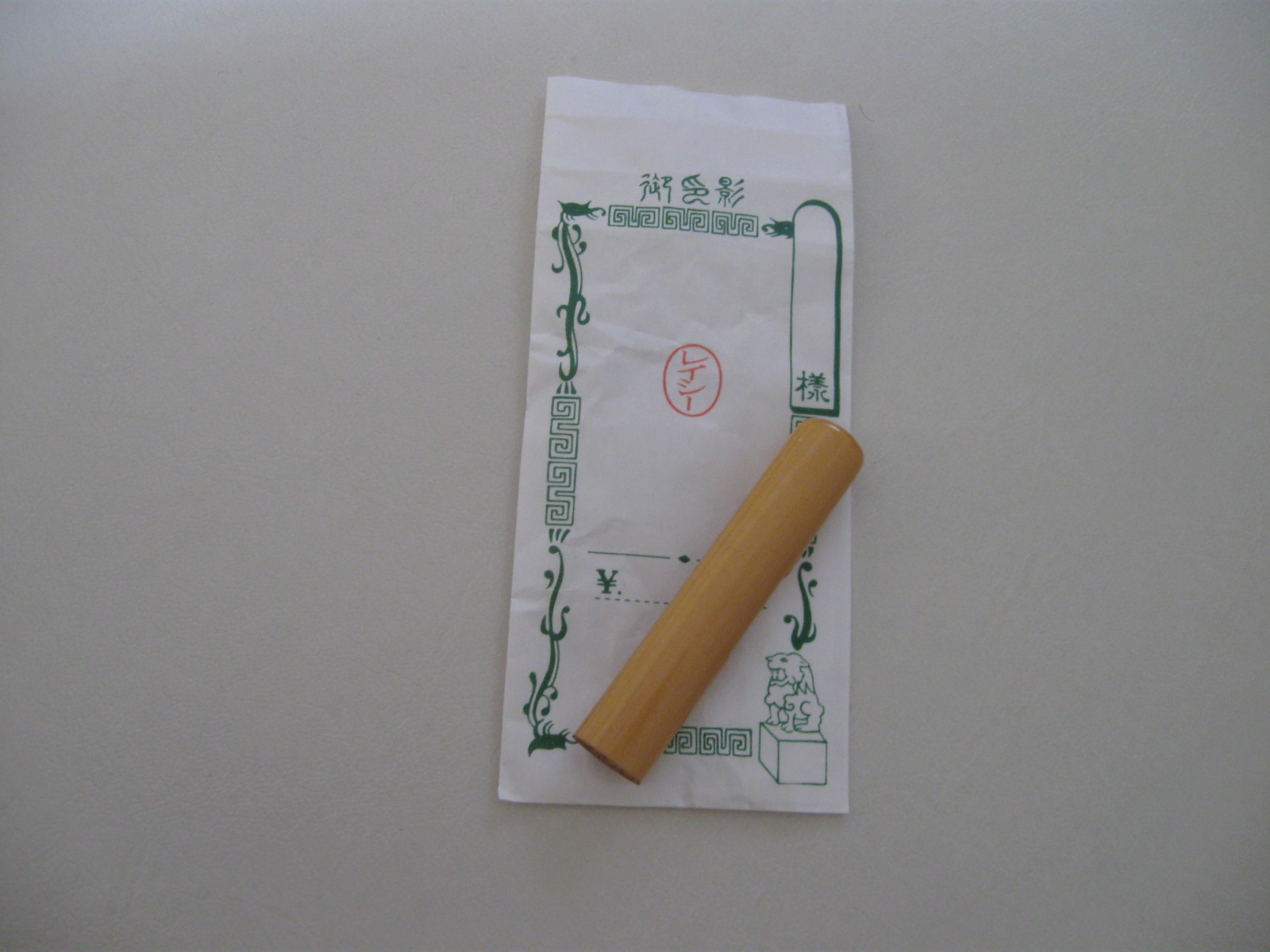
So yes, I’m being a little facetious here. It’s so much more than a stick. It’s a stamp! (Basically.) But it looks really cool!

IMG_1727

Right?! And they only cost roughly $20 US.

IMG_1725判子・印鑑 (hanko/inkan) are made for people as a way to certify your identity and approval for many things, not limited to the creation of a bank account, starting up gas and electric for your house, signing up for mobile phone service, and any number of financial obligations it seems. You would probably need it for a house or an apartment(?), but in the case of municipal JETs it seems that certain residences are furnished by the establishment for those who work in the area temporarily. I think this has a lot to do with the fact that there seems to be what I’ll call the yearly lottery in April, at which time teachers are moved about the prefecture to other schools en masse.

I also personally have to stamp an attendance sheet every day in the teachers’ room when I report to work, so it’s possibly common to use the inkan in regard to employment, especially as civil servants (which is stressed to us that we are!).

As to their real official weight, I can’t really comment. Apparently people can take your inkan and stamp for you, which seems to somewhat defeat the purpose or the ceremony of it all. On the other hand, you could easily argue the same thing about the validity and ceremony of signatures in terms of legal and financial obligation. All in all they do the same thing: look cool. :)

I hope to discover even more uses for the lovely inkan, but you may have to wait for something a bit more detailed (the backlog of posts is lengthy!).

So I’ve been in Japan about two weeks

and it’s been great!! I’ve crammed a lot into those two weeks and I’ve taken a lot of pictures as well so this evening I hope to line up and post the backlog of posts I’ve aimed to either shed light on local events or Japanese life in general!

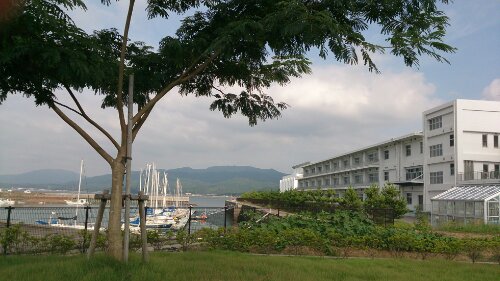
Until then, here’s a cool photo.
( ^-^)ノ∠※。.:*:・’°☆

image